
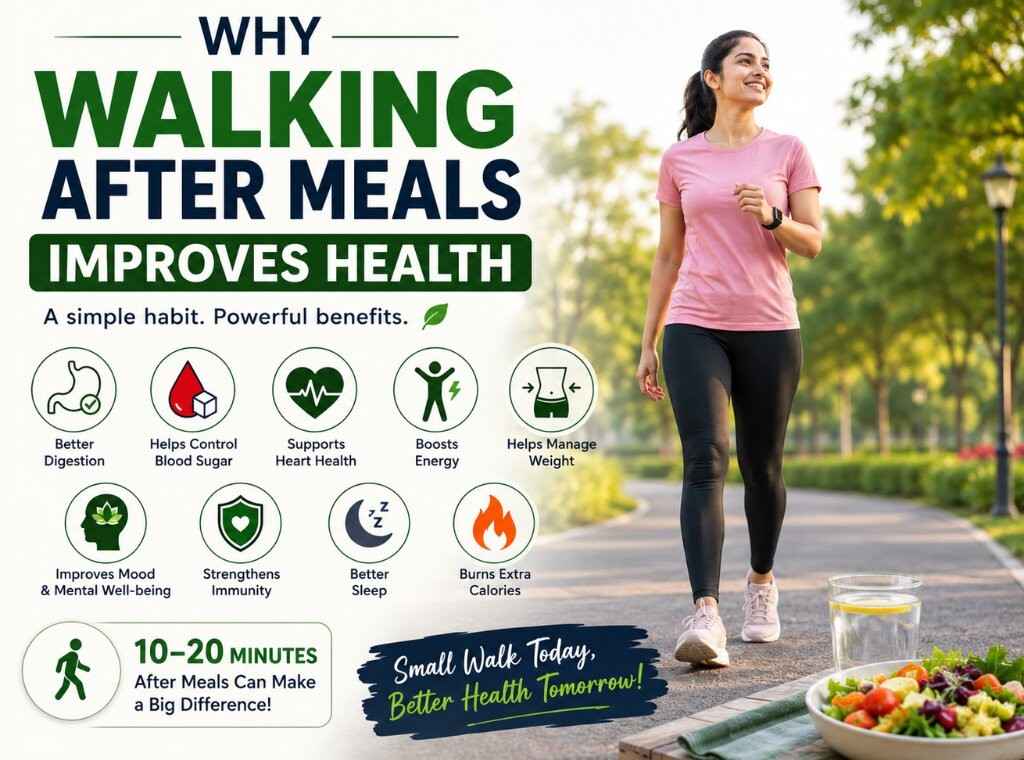
Ever wondered why some people feel light, energetic, and refreshed even after eating while others feel sleepy and sluggish? Surprisingly, the answer may not be in the food alone. It often lies in what happens immediately after the meal.
The focus keyphrase, Walking After Meals Benefits, has gained attention because researchers continue to find impressive health advantages from this simple habit. Fortunately, you don’t need expensive equipment, a gym membership, or extra hours in your schedule. Instead, just a short walk after eating can positively affect your digestion, blood sugar, heart health, mood, and overall well-being.
For many working people, long sitting hours have become a daily routine. Consequently, the body receives very little movement after meals. However, adding just 10–20 minutes of walking can create meaningful improvements over time. The Life TrackR believes that sustainable health comes from small, consistent habits rather than complicated routines.
Why Sitting Immediately After Eating Isn't Ideal
Many people finish their meals and immediately return to their desk, lie on the sofa, or start scrolling through their phones.
Although it feels comfortable, staying inactive after eating may contribute to:
- Slower digestion
- Increased post-meal sleepiness
- Blood sugar spikes
- Reduced calorie burning
- Long-term metabolic issues
Therefore, introducing gentle movement after eating becomes one of the easiest lifestyle improvements you can make.
What Happens When You Walk After Eating?
Walking after eating activates your muscles, allowing them to use glucose from your bloodstream for energy. As a result, your body can manage blood sugar more efficiently while supporting digestion and circulation. Instead of remaining inactive after a meal, even a short walk can offer several Walking After Meals Benefits.
1. Supports Better Digestion
Gentle walking encourages movement through the digestive system. Consequently, it may reduce bloating, gas, stomach heaviness, and digestive discomfort.
2. Helps Control Blood Sugar
After eating, blood sugar naturally rises. Walking encourages your muscles to use glucose, which can help reduce post-meal blood sugar spikes.
3. Supports Heart Health
Regular walking promotes healthy circulation and cardiovascular fitness. Over time, consistent physical activity can also support healthier blood pressure and cholesterol levels.
4. Reduces Afternoon Tiredness
Feeling sleepy after lunch? A short walk can improve circulation and alertness, helping you return to work feeling more refreshed and focused.
5. Helps Manage Weight
Walking increases daily physical activity and energy expenditure. When combined with balanced eating, it can support healthy weight management and better metabolic health.
6. Reduces Bloating
Even a gentle 5–10-minute walk may help food move through your digestive system, reducing uncomfortable fullness after meals.
7. Improves Mental Well-being
Walking can refresh your mind, reduce stress, and improve mood, especially after a busy workday.
8. Supports Better Sleep
A relaxed walk after an evening meal may reduce heaviness and help you unwind before bedtime.
9. Builds a Sustainable Healthy Habit
Walking requires no gym, equipment, trainer, or complicated routine. Most importantly, its simplicity makes it easier to stay consistent.
How Long Should You Walk?
Experts generally recommend:
| Meal | Suggested Walking Time |
|---|---|
| Breakfast | 10–15 minutes |
| Lunch | 10–20 minutes |
| Dinner | 15–20 minutes |
A relaxed pace is usually enough.
The goal is gentle movement—not intense exercise.
Practical Ways to Build This Habit
If you’re busy, don’t worry.
You can easily include walking in your routine by:
- Walking around your office building after lunch.
- Taking a short walk with family after dinner.
- Parking slightly farther away.
- Using stairs before returning to work.
- Walking while making phone calls.
Small opportunities quickly add up.
Common Mistakes to Avoid
To enjoy the full Walking After Meals Benefits, avoid these mistakes:
- Walking too fast immediately after eating.
- Going for intense workouts on a full stomach.
- Lying down right after meals.
- Skipping hydration.
- Assuming longer walks are always better.
Gentle consistency works best.
Why This Habit Works for Busy Working People
Busy schedules often make fitness difficult.
However, almost everyone already eats three meals every day.
Instead of finding extra workout time, simply connect walking with an existing habit.
This approach makes healthy living far more achievable.
That’s exactly the kind of sustainable lifestyle change The Life TrackR encourages—simple actions repeated consistently.
A Small Step That Creates Big Results
Health improvements rarely come from dramatic changes.
Instead, they grow from small habits practiced every single day.
Walking after meals may seem simple. Nevertheless, its combined effects on digestion, blood sugar, heart health, energy, mood, and weight make it one of the most valuable habits you can adopt.
The Life TrackR encourages you to begin with just ten minutes today. Over time, this small investment in movement can become one of the smartest decisions for your long-term health.
Conclusion
The Walking After Meals Benefits extend far beyond burning a few extra calories. This simple habit supports digestion, improves blood sugar control, boosts energy, strengthens heart health, enhances mood, and encourages better overall wellness. Most importantly, it fits naturally into even the busiest lifestyle. By making a short walk part of your daily routine, you’re taking a practical step toward a healthier future. The Life TrackR believes lasting wellness starts with small, consistent actions—and walking after meals is one habit worth keeping.
#WalkingAfterMealsBenefits #HealthyLifestyle #DigestiveHealth #HealthyHabits #WellnessJourney #BloodSugarControl #HeartHealth #DailyWalking #FitnessTips #TheLifeTrackR
Editor’s Note: This article was originally published here: https://thelifetrackr.com/why-walking-after-meals-improves-health/ by @Kairav and @krutika