
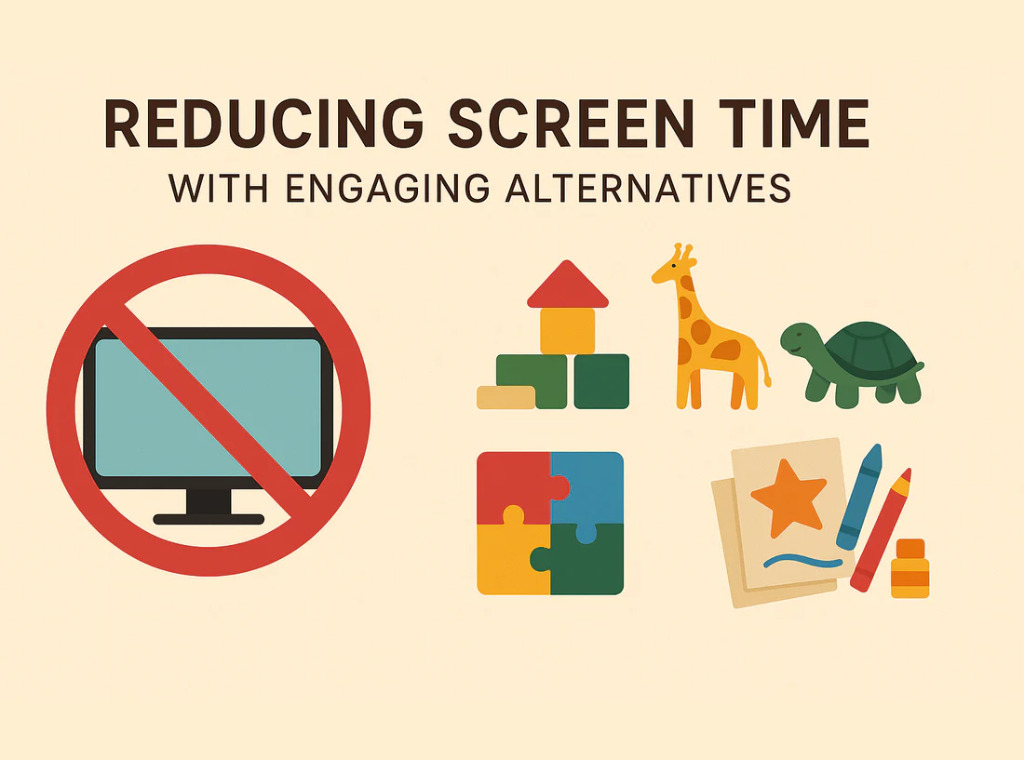
Ever wondered why family dinners feel quieter now, even when everyone is sitting together?
Or why weekends disappear faster than ever, leaving you feeling disconnected at home?
Surprisingly, the answer often lies in the devices we’re holding.
For many Indian middle-class households juggling office hours, school routines, and endless responsibilities, screen time has silently replaced family time. Notifications interrupt conversations, reels replace real bonding, and evenings slip away without us noticing.
And this is exactly where Digital Minimalism for Indian Working Families (Focus keyphrase) becomes a life-changing shift.
When a Phone Becomes the Third Person in Every Room
One evening in a Bengaluru household, the family gathered in the living room, yet the atmosphere felt unusually distant. The father kept responding to office messages, trying to finish whatever was left from the day. The mother scrolled through Instagram, unaware of how much time had passed. Their teenager stayed glued to YouTube, jumping from one video to another, while the younger child remained completely absorbed in a tablet game. They were physically together but mentally scattered across different digital worlds.
This scene plays out in countless Indian homes today. Families still care deeply for one another, but the constant presence of screens slowly pushes genuine conversations aside. Moments that once sparked laughter or connection quietly fade, replaced by notifications, reels, and endless digital noise. The result is a strange kind of loneliness that settles in, even when everyone is sitting just a few feet apart.
Why This Happens More in Working Families
Indian working families carry a unique pressure:
- Long commutes
- Competitive work culture
- School demands
- Household responsibilities
- Social expectations
Naturally, screens become our “easy escape.”
And although it feels relaxing at first, it gradually creates distance — from relationships, hobbies, and even peace of mind.
But the good news?
This cycle can change with a few small, consistent shifts.
Shift the Way You See Your Screen Time
Most people believe they need to “quit using their phone,” but digital minimalism is not about cutting technology out of your life.
Instead, it’s about controlling your devices instead of letting them control you.
Think of it like cleaning your home — you remove the unnecessary so you can enjoy what truly matters.
With this mindset, screens stop being a distraction and start becoming a tool again.
Simple Ways to Practice Digital Minimalism at Home
1. Start with a 20-Minute Evening Pause
Create a short break after reaching home. Avoid checking your phone for the first 20 minutes and use this time to freshen up, greet your family, sip tea, or simply unwind. This pause slows down the digital rush and resets your mind before the evening begins.
2. Create a Family Charging Station
Place all phones in one common spot instead of keeping them near pillows, dining tables, or work areas. When devices stay out of reach, mindless scrolling reduces naturally. This small change helps Indian working families manage smartphone habits more intentionally.
3. Set “No-Phone Zones” Inside the House
Choose two areas such as the dining table, bedroom, balcony, or pooja room where screens are not allowed. These boundaries increase real conversations and help children follow healthier routines when they see adults doing the same.
4. Replace Screen Time with Micro-Connections
Short 3–5 minute interactions strengthen relationships. Ask your child about their day, share a small story from work, enjoy a snack together, or take a quick walk. These micro-connections build emotional closeness without needing long conversations.
5. Try Partial Screen-Free Sundays
Skip notifications for a few hours. Have breakfast without phones, play a board game, cook together, or watch a movie without second-screen distractions. Even partial digital breaks feel refreshing and support healthier screen time habits.
6. Turn Off Unnecessary Notifications
Mute alerts from shopping apps, OTT platforms, random news apps, and inactive WhatsApp groups. Fewer notifications mean less digital noise and more peace at home.
7. Track and Reduce Screen Usage
Use apps that show your total usage and app-wise breakdown. When you see how much time each app consumes, cutting it down becomes easier. Awareness—not guilt—is what makes digital minimalism effective.
A Gentle Reminder from The Life TrackR
You don’t need a digital detox.
You only need digital discipline.
And when your devices stop stealing your attention, your relationships automatically deepen.
Even a few 10-minute conversations a day can bring back warmth, laughter, and connection inside your home.
Conclusion
In today’s fast-paced Indian working lifestyle, devices will always be a part of our routine. Yet, Digital Minimalism for Indian Working Families (Focus keyphrase) helps ensure that screens don’t replace the moments that matter.
When screens go down, love goes up.
And that is the kind of change every home deserves.
#DigitalMinimalism #IndianFamilies #ScreenTimeControl #TheLifeTrackR #FamilyBonding #WorkLifeBalanceIndia #MindfulLiving #DigitalDetoxIndia
Editor’s Note: This article was originally published here https://thelifetrackr.com/digital-minimalism-for-indian-working-families-reducing-screen-time-to-improve-relationships/ by @Kairav and @krutika