
Introduction — The Moment You Step Inside
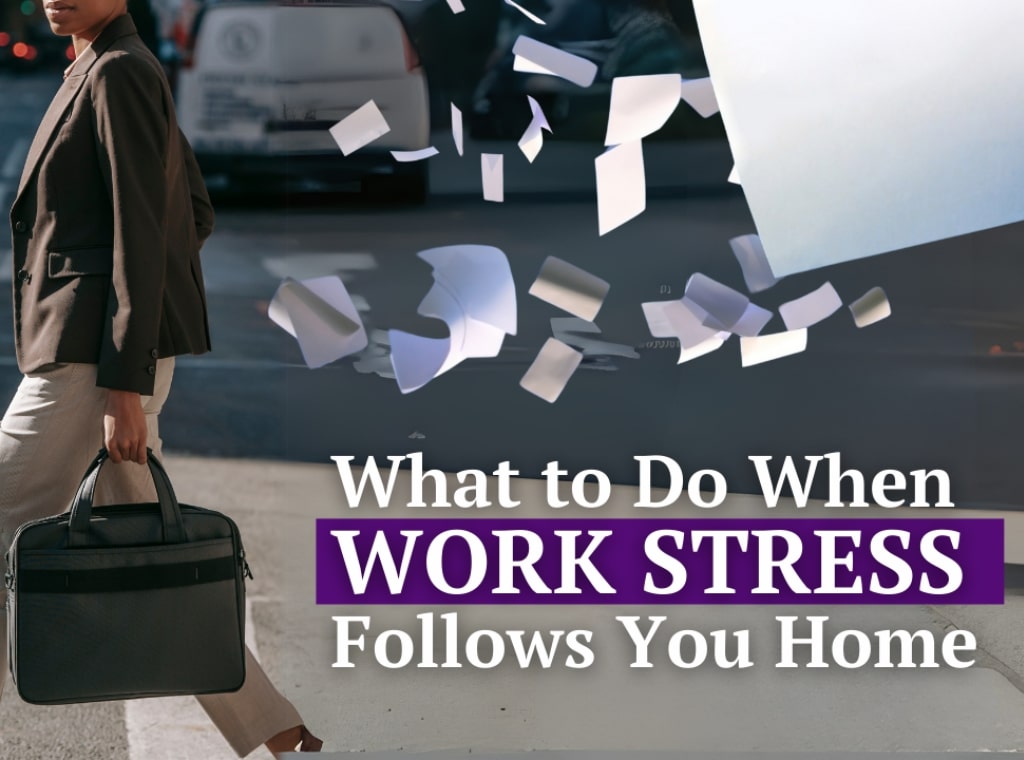
There’s a strange thing that happens right after reaching home. Your hands put down the laptop bag, yet your mind continues replaying the entire day. Even though the workday officially ended, the thoughts stay alive. Minor mistakes, unfinished tasks, tight deadlines — everything travels with you.
This is exactly how work stress following home begins. It doesn’t knock on the door. It simply enters with you. Many Indian employees experience this mental overflow without realising how deeply it affects their mood, relationships, sleep, and overall well-being. The shift is subtle, but its impact grows slowly.
A different approach is needed here — not to escape work, not to ignore responsibilities, but to build a healthier way of unwinding. That’s where The Life TrackR steps in with simple, practical, and Indian-friendly solutions.
When Stress Spills Into Your Personal Time
A long day at the office already feels draining, yet the mind chooses to hold on to the stress. By the time you reach home, the tension sits quietly at the dining table. Small irritations appear faster. Conversations feel shorter. Relaxation becomes difficult.
Your body tries to rest, but the mind stays in “work mode”. Over time, this becomes a pattern. However, a pattern can always be changed with the right rhythm.
A Better Way to Understand Stress
Most people believe stress must be removed completely, but that’s rarely possible. A smarter perspective is to manage how much of it crosses into your personal space. Stress behaves like water in a glass. A little is manageable. Too much causes overflow.
Creating boundaries helps control the overflow. Once your mind learns how to transition from work mode to home mode, emotional clarity improves. This shift alone reduces a significant amount of unnecessary pressure.
Simple Practices That Actually Work
Below are practical routines recommended by The Life TrackR, designed for Indian working families who want calmer evenings and better emotional balance.
1. Build a Cool-Down Ritual After Work
A short transition ritual helps your brain switch from work mode to home mode. You could listen to soothing music during the last minutes of your commute or take a slow walk near your building. Another option is to sit quietly for a moment and breathe deeply before entering home.
This small pause reduces mental carryover and creates a smoother start to your evening.
2. Create a “Thought Parking Lot”
Many thoughts stay active because the mind fears forgetting tasks. Writing them down breaks that cycle. Use a small note section on your phone and record any work-related thought that pops up.
Your brain relaxes once it knows the task is safely captured.
3. Set Gentle Cut-Off Timings
Evening harmony improves when work messages don’t interrupt personal time. Pick a clear time window to respond to necessary communication and inform your team politely.
Boundaries like these protect mental balance and reduce emotional fatigue.
4. Add a Shared Family Ritual
Simple routines with family help ground your mind after a long day. Tea-time conversations, short walks, or reading with children can shift your energy.
These moments release feel-good hormones that ease stress.
5. Declutter Your Evening Schedule
Simplifying your evening opens the door to a peaceful night — begin with one personal task, one home task, and a moment to pause. Lighten your routine and watch your nights transform — one small task for yourself, one for home, and a short breath of rest is all it takes.
Create calm with intention — finish one personal task, one home task, and give yourself a mindful moment.
6. Prepare Your Mind for Sleep
The mind needs gentle slowing down before bedtime. A warm shower, light reading, or calming music can help you unwind.
Better rest follows when the brain feels settled.
Friendly Guidance from The Life TrackR
Work brings challenges. Ambition brings pressure. Responsibilities bring effort. However, your well-being deserves equal importance. A peaceful life doesn’t come from major changes. It grows through small daily pauses — the ones that protect your evenings, your relationships, and your internal stability.
Every small shift adds emotional strength. Every boundary brings clarity. Every ritual improves balance.
Faq's
Q1. Why does stress stay even after leaving work?
Mental energy remains active when there’s no transition routine, so the day’s tension continues.
Q2. Can boundaries be set without upsetting the team?
Clear and polite communication usually gains respect and cooperation.
Q3. Does overthinking increase stress levels?
Yes, repeated thoughts amplify anxiety and disturb sleep.
Q4. Will daily rituals really help?
Yes, predictable routines calm the nervous system and reduce anxiety.
Q5. How can families help?
Small shared activities create emotional grounding.
Q6. What if late-night responsibilities are unavoidable?
Create structured time slots instead of scattered interruptions.
Q7. Can movement reduce workplace stress?
Even short physical activity decreases tension in the body.
Q8. What affects sleep during stressful periods?
An active mind and constant notifications prevent natural relaxation.
Conclusion
Life becomes lighter when work stress following home stops controlling your evenings. A little structure, gentle boundaries, short rituals, and mindful pauses can transform the way you unwind after office hours. These steps from The Life TrackR help you regain control of your emotional space while still staying committed to your work responsibilities.
Start small. Stay consistent. Your mind will thank you.
#TheLifeTrackR #WorkStress #StressManagement #IndianEmployees #WorkLifeBalance #BeatStress #MentalHealthIndia
Editor’s Note: This article was originally published here https://thelifetrackr.com/what-to-do-when-work-stress-follows-you-home/ by @Kairav and @krutika