
Introduction: The Thought That Quietly Decides Your Day
Did you know that most people don’t fail because of lack of effort, but because of the way they think about effort?
Every morning, before emails, meetings, or traffic begin, a silent decision is already made in the mind.
That decision shapes how mistakes are handled, how feedback feels, and whether progress feels possible or pointless.
This is where fixed mindset vs growth mindset quietly controls daily progress.
For many Indian middle-class job-goers, life already feels demanding. Responsibilities at work, family expectations, financial planning, and constant comparison make growth feel exhausting.
However, the real difference between feeling stuck and moving forward is often not skill or luck—but mindset.
Let’s break this down in a way that feels real, practical, and usable in everyday life with The Life TrackR approach.
A Daily Office Scene That Feels Too Familiar
Looking back, one of my biggest regrets was believing that “this is just how I am.”
A small mistake at work felt personal.
Feedback felt like criticism.
Someone else’s promotion felt like proof that I was falling behind.
Even after working hard, progress felt slow.
Not because effort was missing—but because the mind was locked.
If this sounds familiar, you’re not alone.
Many Indian employees live inside this cycle without realising what’s causing it.
That’s where understanding fixed mindset vs growth mindset changes everything.
Understanding the Fixed Mindset (Without Judgement)
A fixed mindset is not laziness.
In fact, it often comes from years of pressure to “get it right.”
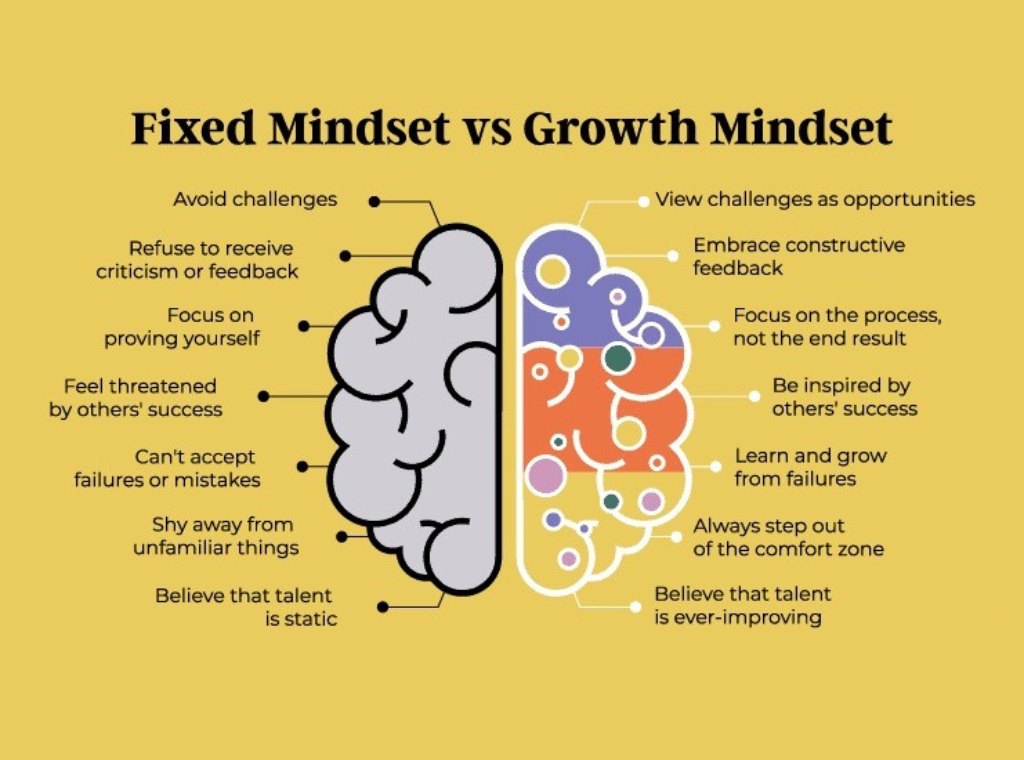
People with a fixed mindset tend to believe:
- Abilities are limited and mostly unchangeable
- Mistakes mean failure, not learning
- Asking questions looks like weakness
- Effort should show results immediately
Because of this, challenges feel threatening instead of helpful.
At work, this often looks like:
- Avoiding new responsibilities
- Staying quiet during discussions
- Feeling defensive during feedback
- Comparing progress constantly
Over time, confidence slowly erodes.
Daily effort continues, yet growth feels invisible.
What a Growth Mindset Actually Looks Like in Real Life
A growth mindset doesn’t mean being positive all the time.
Instead, it means staying open when things feel uncomfortable.
People with a growth mindset believe:
- Skills improve through effort and repetition
- Mistakes are data, not identity
- Feedback is information, not insult
- Progress happens gradually, not instantly
As a result, learning becomes part of daily routine rather than a special event.
In Indian work culture, this shift matters deeply.
Pressure reduces when improvement replaces perfection.
Why Mindset Shapes Your Daily Progress More Than Talent
Talent feels powerful, yet mindset is consistent.
A fixed mindset limits daily action because fear controls choices.
Meanwhile, a growth mindset expands daily action because curiosity replaces fear.
Here’s the difference in daily behaviour:
Fixed mindset thinking:
“I’m not good at this, so why try?”
Growth mindset thinking:
“I’m not good at this yet, so I’ll practice.”
That single word—yet—changes effort, patience, and results.
Over weeks and months, this difference compounds.
That is why fixed mindset vs growth mindset directly decides long-term progress.
The Hidden Cost of Staying Stuck Mentally
Many people assume mindset is motivational talk.
However, the cost of ignoring it is very real.
A fixed mindset often leads to:
- Burnout without satisfaction
- Fear of visibility at work
- Delayed learning
- Missed opportunities
Despite long hours, growth feels slow.
Eventually, motivation drops—not because of work, but because hope fades.
This is why The Life TrackR focuses on internal systems before external success.
Small Daily Shifts That Build a Growth-Focused Life
Change doesn’t require drastic transformation.
Instead, it begins with small mental adjustments practiced daily.
1. Change How You Talk to Yourself After Mistakes
Instead of asking “Why am I like this?”
Try asking “What can this teach me?”
This removes shame and creates learning.
2. Track Effort, Not Just Outcomes
Results take time.
Effort happens daily.
Writing down effort builds momentum when results feel delayed.
3. Reframe Feedback as Direction
Feedback doesn’t define worth.
It simply points to improvement.
Listening without defending accelerates growth.
4. Stop Comparing Different Timelines
Everyone’s responsibilities are different.
Progress is personal, not competitive.
Focus on consistency rather than speed.
How The Life TrackR Helps You Think Differently
At The Life TrackR, growth is not about overnight success.
It’s about designing systems that support steady improvement.
Instead of asking:
“Why am I behind?”
We ask:
“What small habit will move me forward today?”
This mindset removes pressure and restores control.
Daily progress becomes visible again.
Confidence slowly rebuilds.
Growth feels natural instead of forced.
Conclusion: Progress Begins in the Mind
Daily progress rarely depends on intelligence alone.
More often, it depends on how setbacks are interpreted and effort is viewed.
Understanding fixed mindset vs growth mindset helps you stop fighting yourself.
Instead, it allows learning, patience, and improvement to work together.
With the right mindset, progress feels lighter—even on difficult days.
That is the quiet strength behind meaningful growth, supported every step by The Life TrackR.
#FixedMindset #GrowthMindset #DailyProgress #IndianWorkLife #SelfGrowth #TheLifeTrackR
Editor’s Note: This article was originally published here https://thelifetrackr.com/fixed-mindset-vs-growth-mindset-why-it-shapes-your-daily-progress/ by @Kairav and @krutika