
Did you know that most people try to fix burnout the same way they fix stress—and that mistake quietly keeps them stuck for years?
You come home exhausted.
Plans get cancelled without much thought.
You tell yourself, “This weekend, I’ll rest properly.”
However, even after sleeping more or scrolling less, something still feels off. The tiredness doesn’t leave. Motivation doesn’t return. Instead, a strange emptiness lingers.
If the Stress vs Burnout Difference has never crossed your mind, you’re not alone. For many Indians who are doing a job, exhaustion has become normalised. Yet beneath this constant tiredness lie two very different states—and treating them the same only deepens the problem.
At The Life TrackR, understanding this difference matters because while rest can heal stress, burnout requires something far deeper: change.
A Scene That Feels Uncomfortably Familiar
Looking back, one of my biggest regrets was ignoring the early signs.
Workdays felt endless.
Commutes drained energy before the day even began.
Responsibilities at home never paused.
Initially, stress felt manageable. A good night’s sleep helped. A Sunday afternoon nap worked wonders. Gradually though, rest stopped working.
Despite holidays, the heaviness remained.
Despite breaks, motivation didn’t return.
That was the moment everything became clear—this wasn’t stress anymore.
Understanding Stress: When the Body Asks for a Pause
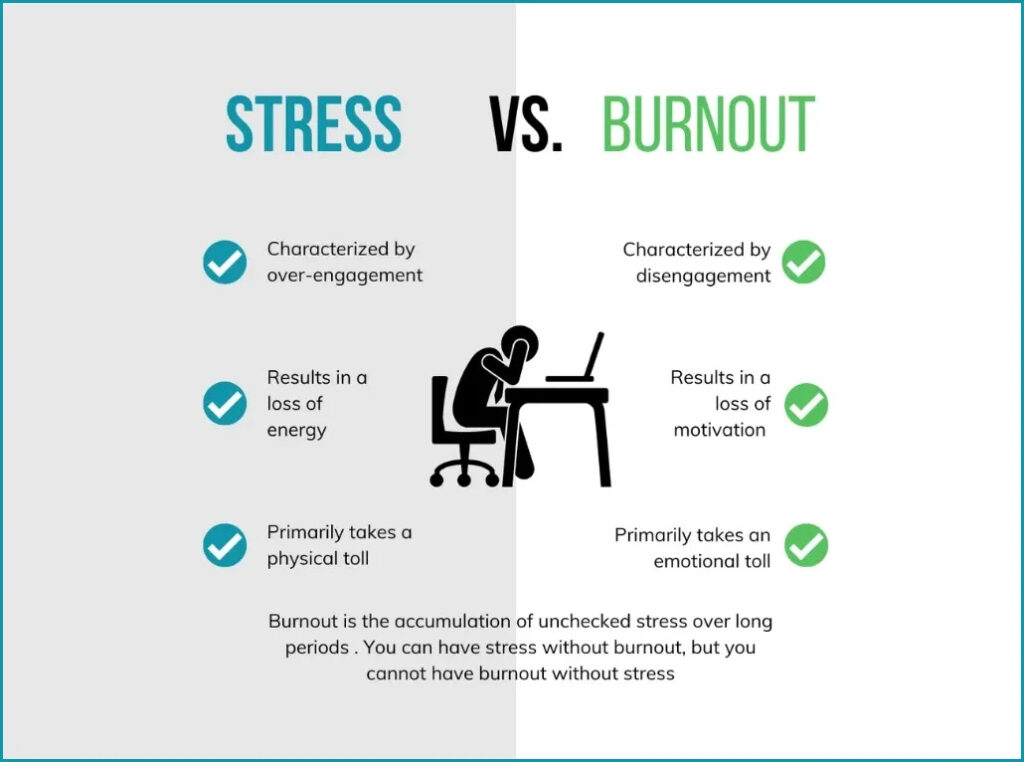
Stress is your body and mind responding to pressure.
It rises when deadlines approach.
It spikes during financial uncertainty.
It appears when expectations pile up from every direction.
However, stress has one important quality—it is temporary.
Signs You’re Likely Experiencing Stress
- You feel overwhelmed but still hopeful
- Rest improves your mood noticeably
- Motivation returns after breaks
- Sleep helps you reset
In other words, stress listens when you slow down.
That’s why rest works here.
That’s also why weekends matter.
When stress is addressed early, balance returns naturally without forcing anything.
Burnout Is Different—and That’s Where Most People Get Stuck
Burnout doesn’t come from doing too much for a day or a week. Instead, it grows from doing the wrong things for too long without control, clarity, or meaning.
Unlike stress, burnout doesn’t improve with sleep.
Even after time off, you feel empty.
Even simple tasks feel heavy.
Even small decisions feel exhausting.
This is where confusion begins. Most people keep resting, hoping energy will return—yet it doesn’t.
Clear Signs of Burnout You Shouldn’t Ignore
Burnout doesn’t announce itself loudly. It speaks quietly but persistently.
- You feel detached from work and people
- Small tasks irritate you more than before
- Rest feels pointless
- You question the value of what you do
- Energy doesn’t return even after holidays
While stress says, “I need a break,” burnout says, “Something here is broken.”
That difference changes everything.
Why Rest Stops Working When Burnout Begins
When burnout appears, most people increase rest.
More sleep.
More leaves.
More distractions.
Unfortunately, burnout isn’t caused by lack of rest alone. It develops from lack of control, lack of alignment, and constant emotional pressure.
As a result, resting without making changes only delays recovery. The problem stays untouched.
At The Life TrackR, this pattern appears again and again—people aren’t tired because they’re lazy; they’re exhausted because something no longer fits.
The Shift That Changes Recovery Completely
Stress needs recovery.
Burnout needs re-evaluation.
Once this shift happens, healing finally begins.
Instead of asking, “How can I rest more?”
You start asking, “What needs to change?”
That question feels uncomfortable at first.
Yet it is also freeing.
Because now, the solution matches the problem.
Practical Ways to Handle Stress Effectively
If stress is the main issue, simple adjustments help significantly:
- Protect daily sleep hours consistently
- Reduce unnecessary commitments
- Take short mental breaks during the day
- Move your body, even lightly
- Disconnect from work conversations after hours
Gradually, energy returns. Focus improves. Mood stabilises.
Stress responds well to kindness and pause.
What Actually Helps Burnout Heal
Burnout needs deeper action. However, change doesn’t always mean quitting everything or making drastic moves overnight.
Start small. Start intentional.
1. Regain Control Over Small Choices
Decide when your day begins and ends.
Choose one task you won’t compromise on daily.
Even small control restores confidence over time.
2. Reduce Emotional Load, Not Just Workload
Sometimes, it isn’t the work—it’s constant expectations.
Say no where possible.
Stop carrying guilt for resting.
Mental space often matters more than time off.
3. Reconnect With Meaning
Ask yourself:
Does this align with my current phase of life?
Which part of my work still feels useful?
Purpose doesn’t need to be grand. It needs to be honest.
4. Stop Measuring Worth Only Through Output
Burnout grows where self-worth depends entirely on performance.
Separating identity from output changes recovery speed dramatically.
You are more than what you produce.
Why This Awareness Changes Everything
Once you truly understand the Stress vs Burnout Difference, self-blame starts fading.
You stop calling yourself lazy.
You stop forcing productivity.
You stop chasing rest that doesn’t work.
Instead, you begin responding correctly.
That awareness alone brings relief.
A Gentle Reminder From The Life TrackR
You are not weak for feeling exhausted.
You are not failing because rest isn’t enough.
Sometimes, life isn’t asking you to pause.
It’s asking you to adjust direction.
At The Life TrackR, growth begins when self-awareness replaces self-judgment.
Conclusion: Listen to What Your Exhaustion Is Saying
Stress fades when you rest.
Burnout heals when you change.
Ignoring this difference keeps people stuck for years, repeating the same cycle of effort and exhaustion.
If tiredness has become constant, don’t just sleep it away. Instead, listen closely. Your body isn’t complaining—it’s communicating.
Understanding the Stress vs Burnout Difference may be the most important step toward sustainable balance, clarity, and long-term wellbeing.
#StressVsBurnout #BurnoutRecovery #MentalWellbeingIndia #WorkLifeBalance #EmotionalHealth #IndianWorkLife #MentalFatigue #TheLifeTrackR
Editor’s Note: This article was originally published here https://thelifetrackr.com/stress-vs-burnout-why-one-needs-rest-and-the-other-needs-change/ by @Kairav and @krutika