
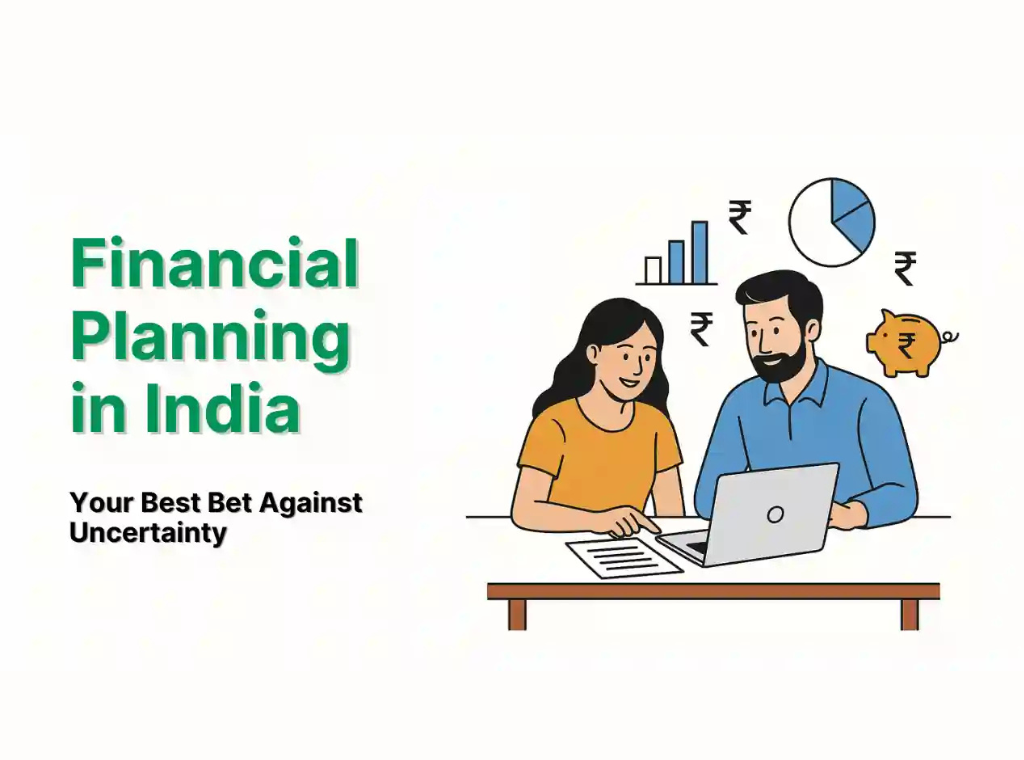
Have you ever wondered why two people earning almost the same salary end up living completely different lives?
One seems constantly stressed about bills, while the other appears calm, steady, and confident—even when unexpected expenses show up.
Here’s the surprising part: the difference isn’t income. It’s stability.
And the secret to that stability is something most people don’t talk about enough: financial buffering.
Before you assume it’s something complicated (or something “only rich people can do”), stay with me.
Because this simple idea has helped thousands of middle-class Indians shift from worrying every month to finally having peace of mind.
And once you understand how The Life TrackR encourages small, simple money habits, you’ll see how this is not only possible—it’s extremely doable.
The Everyday Story of Indian Middle-Class Money Stress
It’s the end of the month. Your salary hits your account.
Within 48 hours, a big chunk disappears—rent, school fees, groceries, EMIs, utilities.
Then midway through the month, something unexpected happens:
- The fridge stops working
- A medical test suddenly becomes necessary
- A relative’s function requires you to contribute
- Your bike or car breaks down
And just like that, your entire budget goes off track.
If this sounds familiar, you’re not alone.
This is the reality of millions of middle-class families across India. We live responsibly, we work hard… yet we’re always one surprise away from stress.
But what if you could create a small cushion between yourself and those unpredictable moments?
That’s where financial buffering steps in — and it can transform the way you handle money.
What Exactly Is Financial Buffering? (Explained Simply)
Financial buffering means creating a small safety layer between your income and your expenses so you’re never caught off guard.
Think of it like a shock absorber on a bike.
You will still hit bumps on the road, but the journey won’t hurt as much.
This buffer is not the same as investing, saving for retirement, or buying insurance (although those are all important).
It’s simply money set aside to protect your peace of mind when life throws surprises.
Even ₹500–₹2,000 saved from each salary can start building this cushion.
Why Indian Middle-Class Families Need a Financial Buffer
Let’s be real:
Life in India is unpredictable. A single emergency can wipe out years of savings.
Here’s why financial buffering is crucial:
1. It protects your monthly budget
No more touching credit cards or personal loans for unexpected expenses.
2. It reduces emotional stress
Knowing you have a backup loosens the constant pressure of “What if something happens?”
3. It strengthens decision-making
When you’re not panicking about money, you make smarter choices.
4. It builds long-term confidence
Slow, steady financial stability matters more than fast success.
This is why The Life TrackR encourages simple, manageable steps — so financial control becomes part of your lifestyle, not a burden.
The Big Mindset Shift: Income Doesn’t Create Peace—Habits Do
Most people think:
“I’ll start saving properly once my salary increases.”
But here’s the truth hardly anyone mentions:
Higher income doesn’t guarantee stability. Better habits do.
You probably know someone earning a great salary yet constantly struggling.
And you probably know someone earning modestly who manages everything calmly.
The difference is not money; it’s method.
Once you learn to buffer, even a small salary becomes powerful.
A Simple Step-by-Step Guide to Start Financial Buffering Today
Here’s the best part—buffering doesn’t require big sacrifices.
It needs consistency, not perfection.
Let’s break it down into easy, practical steps.
Step 1: Aim for a Starter Buffer (Your First ₹5,000–₹10,000)
Don’t think about a large emergency fund yet.
Your first goal is small and achievable.
Saving just ₹500 a week gets you ₹2,000 a month.
Within 3–4 months, you’ll already feel more secure.
Step 2: Create a “Buffer Account”
This is not your regular savings account.
It should be separate, untouched, and dedicated to emergencies only.
You can use:
- A zero-balance savings account
- A digital bank account
- A recurring deposit
- A money market mutual fund (optional)
Just make sure you don’t use it casually.
Step 3: Automate Your Buffering
This is where your life becomes easier.
Set up an automatic transfer the day your salary comes in.
Even ₹1,000–₹2,000 is enough to start.
When saving becomes automatic, it becomes effortless.
Step 4: Build a 2-Month Safety Net
Once your starter buffer is ready, slowly move to this simple target:
Save enough to cover your expenses for 2 months.
For many families, this is between ₹35,000 and ₹80,000.
But don’t let the number scare you.
Small steps done consistently will get you there faster than you think.
Step 5: Protect Your Buffer (Don’t Touch It Unnecessarily)
A buffer is not for shopping or vacations.
It’s for:
- Medical emergencies
- Job delays
- Urgent repairs
- Sudden travel
- Family emergencies
When you use the money, rebuild it again.
This keeps your financial base strong.
The Life TrackR Approach: Making Financial Stability a Habit, Not a Struggle
The Life TrackR understands the daily challenges of middle-class Indian earners.
You manage a job, bills, responsibilities, family needs, and still hope for a peaceful life.
That’s why the platform promotes simple, sustainable habits, not complicated financial strategies.
It’s not about changing your entire lifestyle.
It’s about adjusting small actions that together build resilience.
And buffering is one of the most powerful yet overlooked habits you can start.
Common Mistakes to Avoid While Buffering
1. Trying to save too much too soon
Start small, stay consistent.
2. Mixing buffer money with regular savings
Keep it separate.
3. Using the buffer for non-emergencies
Protect it.
4. Waiting for a salary hike to start
Start today—even ₹500 helps.
Simple Ways to Save ₹1,000–₹3,000 Every Month for Buffering
- Reduce food delivery by twice a week
- Use public transport twice a week
- Switch to prepaid recharge offers
- Pause unused subscriptions
- Use cashback wisely
- Carry home-made snacks
- Track grocery expenses
These tiny tweaks make a huge difference.
A Gentle Reminder from The Life TrackR
Financial peace is not about earning more.
It’s about gaining control over what you already have.
When you buffer your finances, you buffer your stress, your uncertainty, and your dependence on last-minute borrowing.
And once you start, you’ll wonder why you didn’t do it earlier.
Conclusion
The journey from paycheck to peace of mind begins with one small step: financial buffering for Indian middle class families.
It’s simple, practical, and life-changing. With consistent habits—and a little guidance from The Life TrackR—you can create the emotional and financial stability you’ve always wanted.
Start small. Stay steady. Build your buffer.
Your future self will thank you.
#TheLifeTrackR #FinancialBuffering #IndianMiddleClass #MoneyHabits #FinancialStability #PersonalFinanceIndia #EmergencyFund #SavingsTips #MiddleClassIndia #PeaceOfMind
Editor’s Note: This article was originally published here: https://thelifetrackr.com/from-pay-check-to-peace-of-mind-a-simple-guide-to-financial-buffering-for-the-indian-middle-class/ by @Kairav and @krutika