
Introduction: Could Skipping Breakfast Be the Secret You’re Missing?
Most of us have grown up hearing: “Breakfast is the most important meal of the day.” But what if skipping breakfast—or even dinner—could actually make you healthier? That’s exactly what the Focus keyphrase – The 16:8 Rule of Intermittent Fasting challenges us to think about.
Imagine this: you eat your last meal at 8:00 pm, go about your evening, sleep, and the next morning you simply delay eating until noon. Without complicated diets, calorie counting, or expensive supplements—you’ve just fasted for 16 hours. And people across India are discovering how this simple time-based eating habit can change energy levels, weight, and even long-term health.
What Is the 16:8 Rule of Intermittent Fasting?
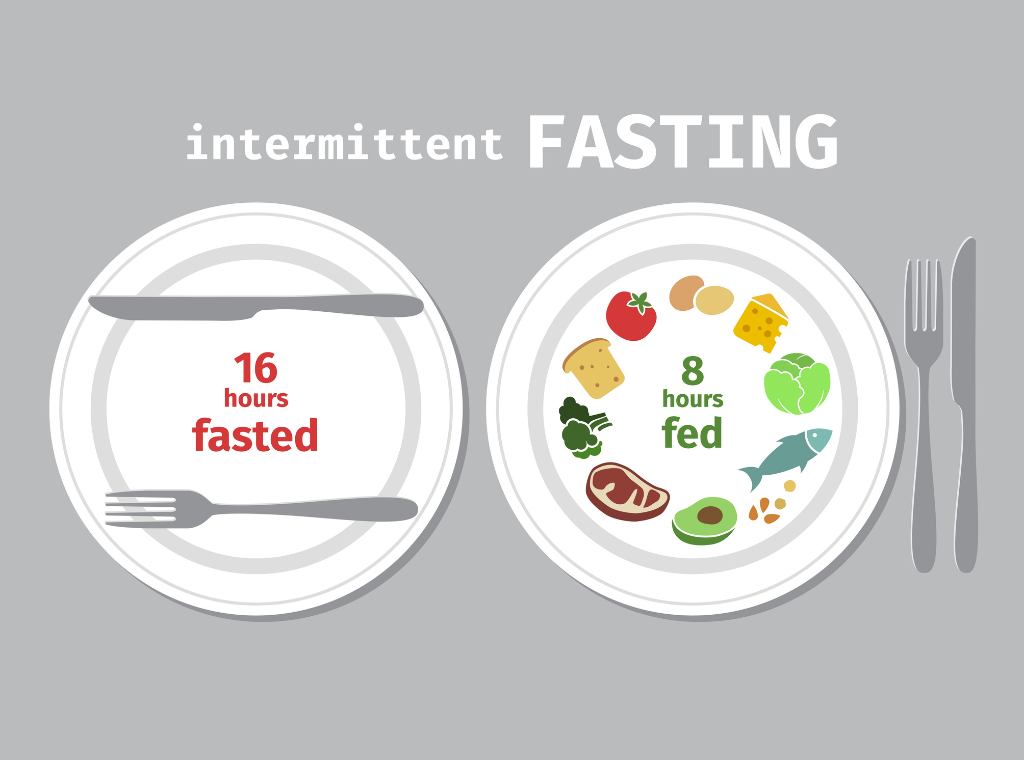
The 16:8 method is one of the simplest and most popular forms of intermittent fasting. Here’s how it works:
1. 16 hours fasting: No solid food, only water, black coffee, or unsweetened tea.
2. 8 hours eating window: You consume your meals within this period, such as 12:00 pm to 8:00 pm or 10:00 am to 6:00 pm.
This approach doesn’t focus on what you eat but when you eat. It naturally reduces calorie intake, improves metabolism, and helps your body repair itself during fasting hours.
Why the 16:8 Rule Works So Well in Indian Lifestyles
Middle-class Indian routines are packed—traffic, office work, household chores, and family time. Most diets fail because they’re either expensive, complicated, or simply unsustainable. But the 16:8 rule fits easily:
You can skip breakfast and still enjoy lunch with colleagues.
Evening tea-time can be replaced with nuts or fruit within the eating window.
Family dinner stays intact—just close your kitchen after that.
This flexibility makes it a lifestyle shift, not a crash diet.
Benefits of the 16:8 Rule of Intermittent Fasting
1. Weight Management Without Extreme Dieting
Instead of strict restrictions, the 16:8 method automatically lowers daily calorie intake. It’s easier than counting calories in every bite.
2. Better Digestion and Reduced Bloating
Your stomach finally gets a break. Many Indians struggling with acidity, bloating, and indigestion find relief when they follow this routine.
3. Improved Energy and Focus
Unlike heavy breakfast routines that make you sluggish, fasting keeps your insulin stable—leading to better mental clarity during work hours.
4. Long-Term Health Benefits
Studies suggest intermittent fasting may reduce the risk of type 2 diabetes, heart issues, and even support cell repair and anti-aging.
How to Start the 16:8 Rule Without Stress
1. Pick Your Window Wisely
Popular options: 12:00 pm–8:00 pm or 10:00 am–6:00 pm.
Choose based on your office hours, commute, and family meal time.
2. Stay Hydrated During Fasting
Water, lemon water (without sugar), or black coffee are your best friends.
Avoid juices, milk tea, or anything with calories during the fasting period.
3. Eat Balanced Meals
Focus on dal, sabzi, rotis, rice, fruits, and nuts.
Avoid stuffing fried foods or sweets during your eating window.
4. Start Slow
If 16 hours feels tough, begin with 12:12 (12 hours fasting, 12 hours eating).
Gradually move to 14:10 and then 16:8.
5. Be Consistent
Results come with consistency, not with one or two days.
Common Mistakes to Avoid
Overeating in the eating window – It cancels the benefit of fasting.
Eating junk food – Intermittent fasting isn’t a license for samosas and sugary drinks.
Not drinking enough water – Dehydration is often mistaken for hunger.
Breaking the fast with heavy meals – Start with fruit, salad, or a light snack, then move to full meals.
Quick Tips for Indian Households
1. Replace morning chai with green tea or black coffee during fasting hours.
2. Plan family meals around your eating window to avoid conflicts.
3. Carry roasted chana or fruit to work so you don’t end up eating fried snacks when the window opens.
Conclusion
The 16:8 Rule of Intermittent Fasting is not just a weight-loss trend—it’s a lifestyle habit that fits into the busy schedule of Indian households. By simply adjusting when you eat, you give your body a chance to rest, repair, and perform better. Whether your goal is energy, weight, or long-term health, this is one rule that can truly make a difference.
At the end of the day, your health is your greatest wealth—and sometimes, all it takes is a simple change in timing to unlock it.
#TheLifeTrackR #IntermittentFasting #168Rule #HealthyHabits #IndianLifestyle
Editor’s Note: This article was originally published here https://thelifetrackr.com/the-168-rule-of-intermittent-fasting-eat-within-an-8-hour-window-fast-for-16/ by @Kairav and @krutika